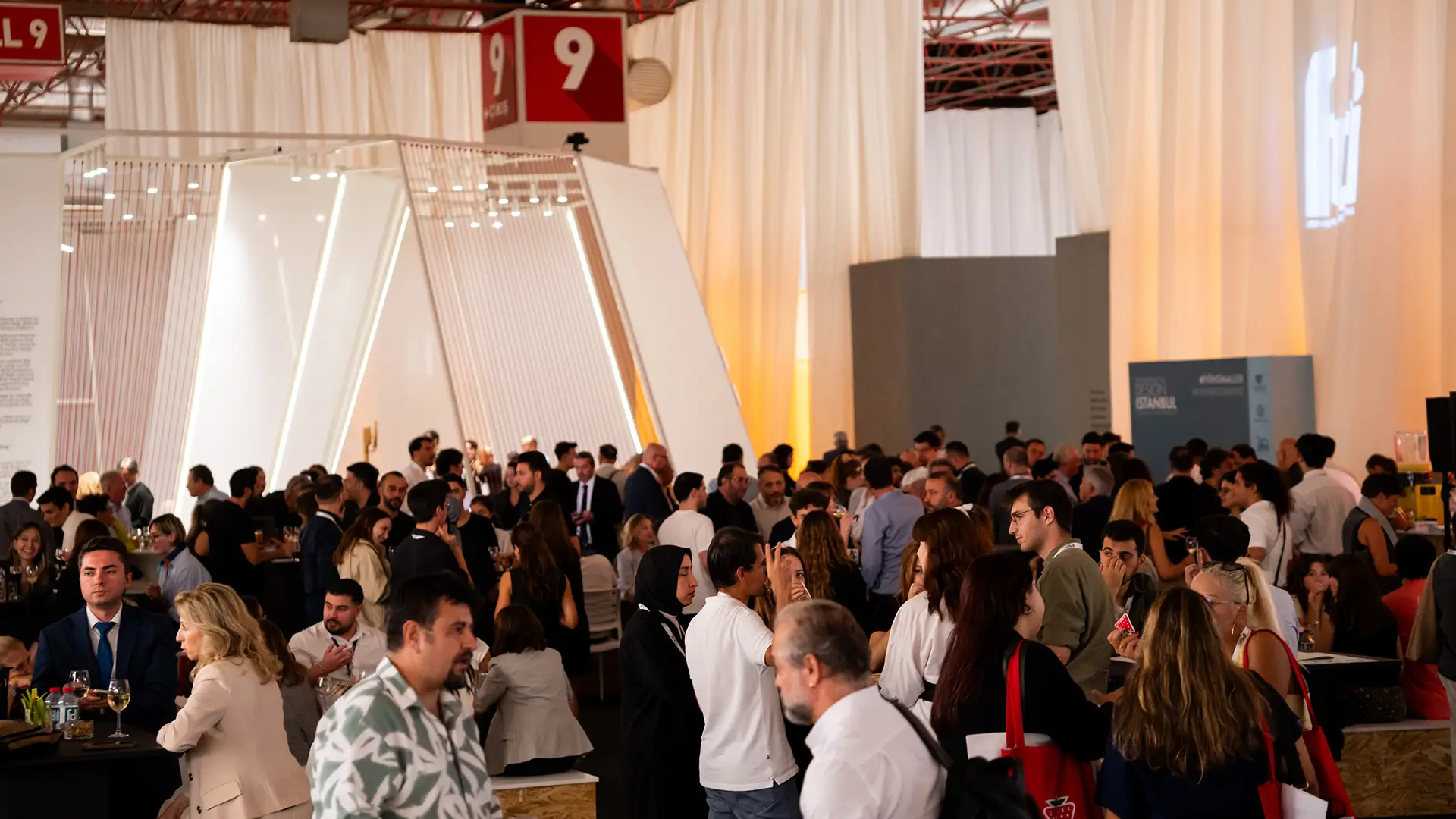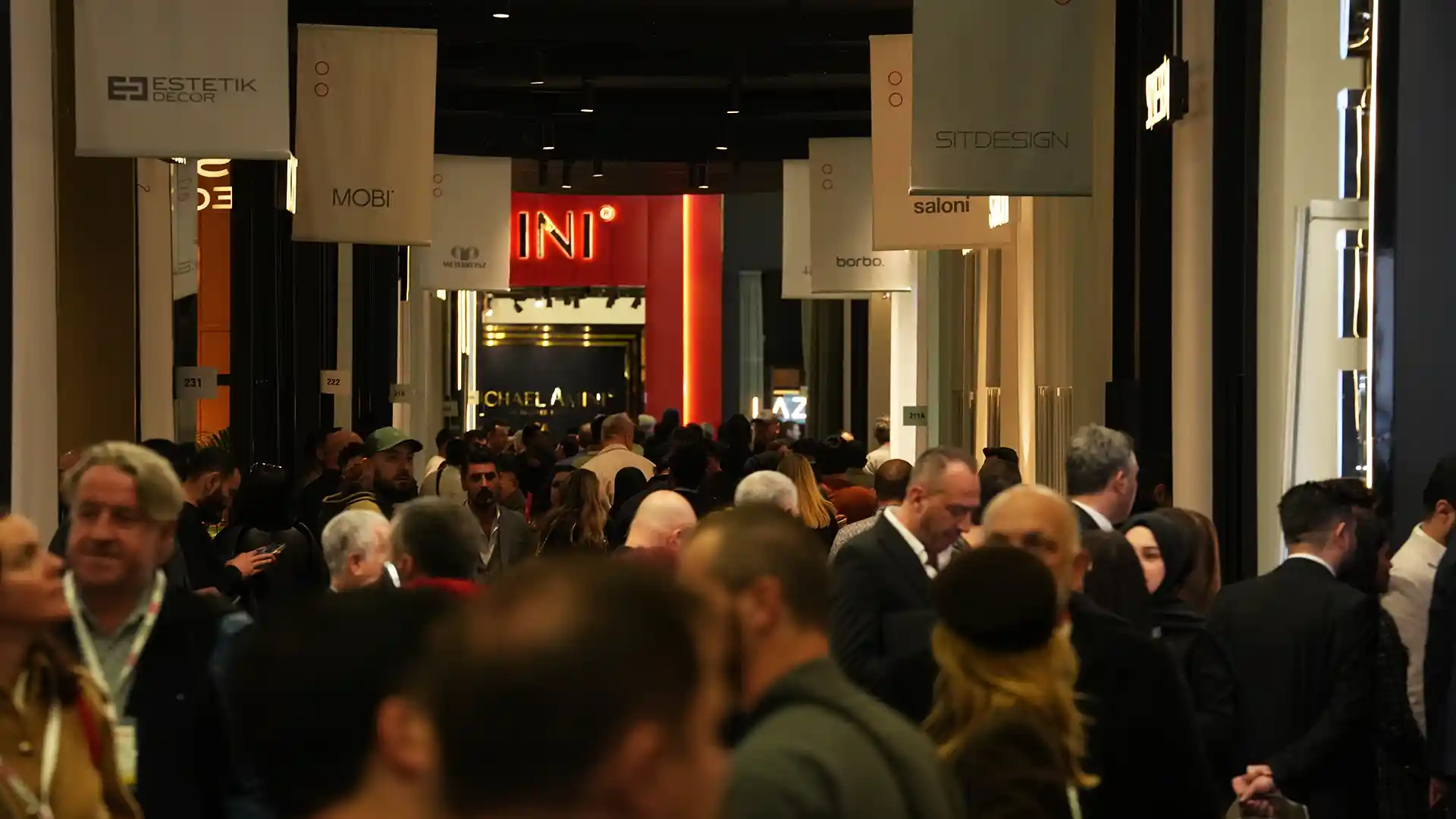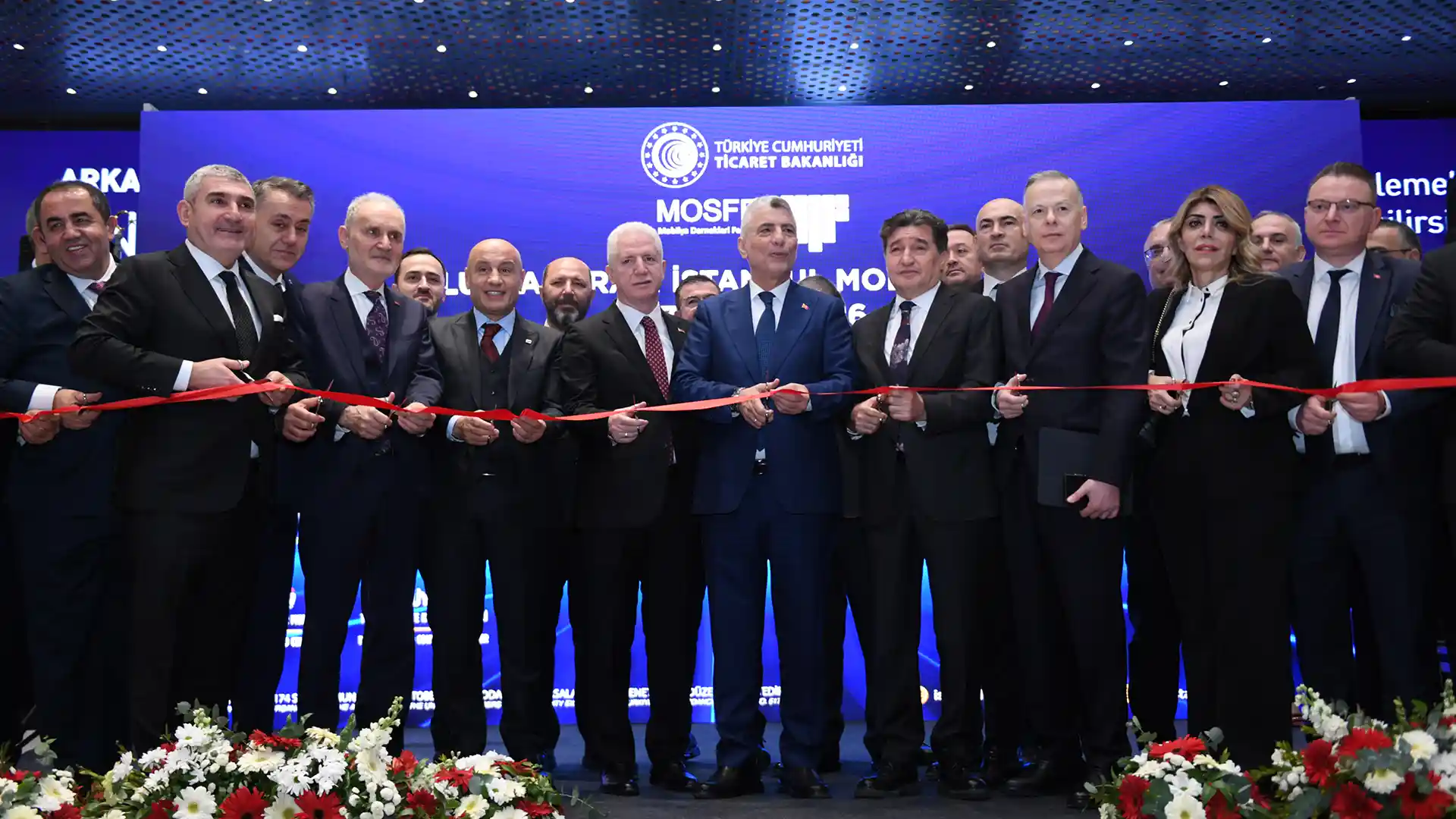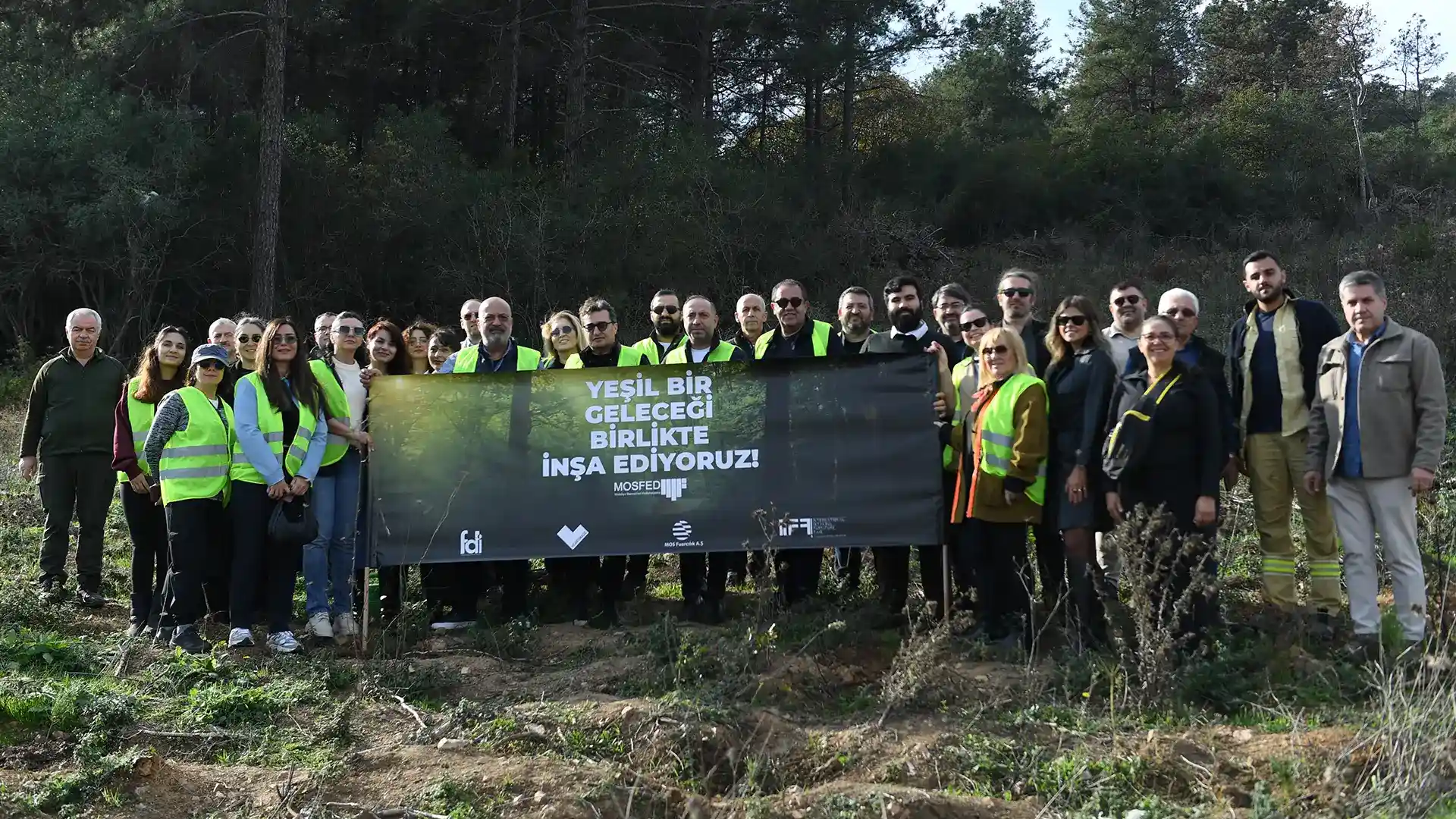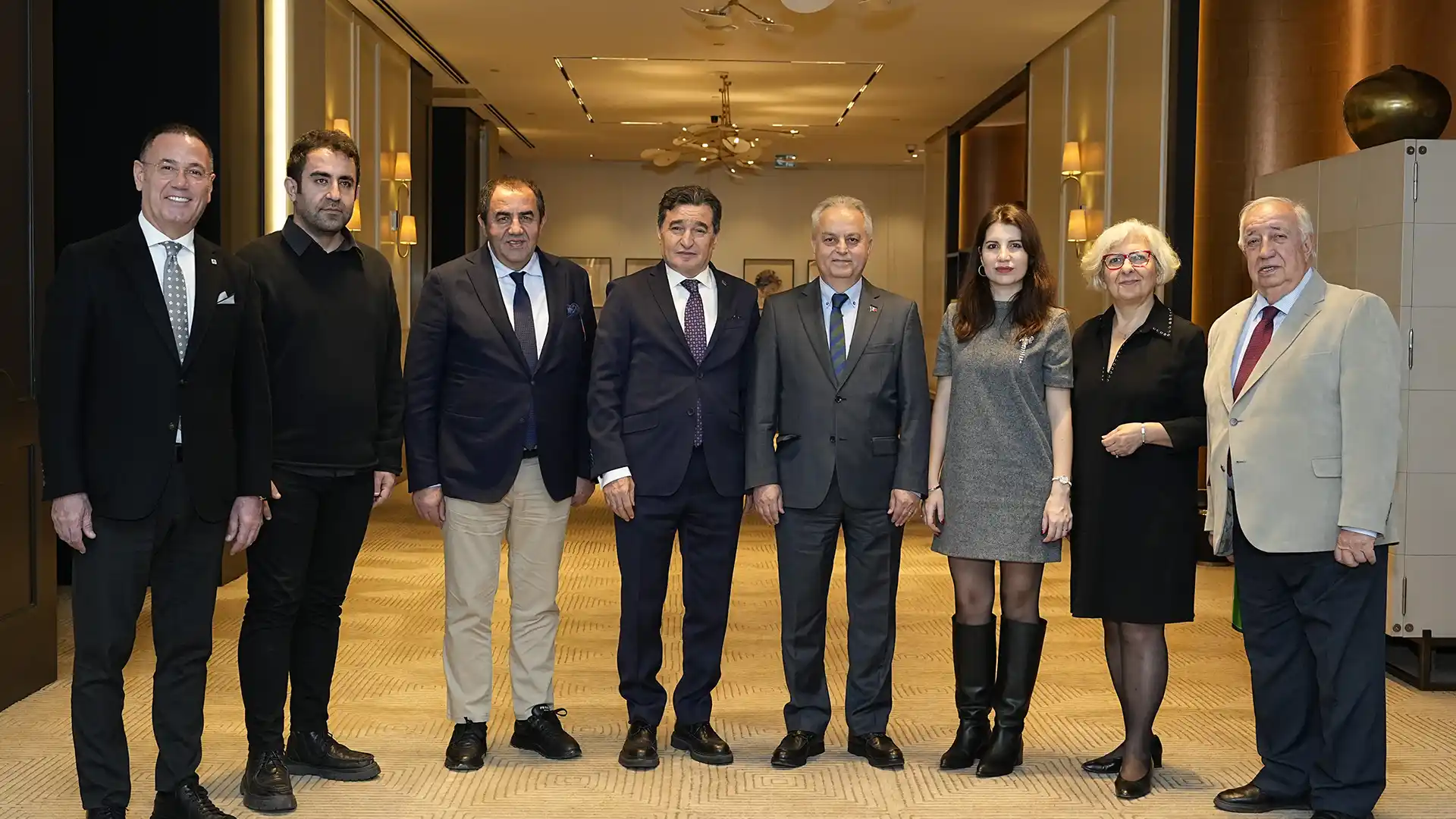
The Federation of Furniture Associations (MOSFED) has set “sustainability” as this year’s theme for the International Istanbul Furniture Fair (IIFF), one of the world’s most prestigious furniture fairs organized annually. Within this scope, MOSFED also announced the ‘Report on the Creation and Measurement of the Green Economy Index for Companies in the Furniture Sector’, which was prepared to accelerate sustainable transformation and shed light on the future of the sector.
MOSFED President Ahmet Güleç stated: “To showcase our sustainability vision globally, we set ‘sustainability’ as the main theme of IIFF, where buyers from 150 countries visit every year, and prepared a report. For our companies to keep pace with this process, it is necessary to launch the national furniture digital product passport pilot, establish a carbon and water footprint accounting support package for SMEs, set up a furniture recovery centre, strengthen credits and incentives for green investments, and initiate sectoral emission trading system integration.”
The Federation of Furniture Associations (MOSFED) has set ‘sustainability’ as the theme for the International Istanbul Furniture Fair (IIFF), one of the world’s most prestigious furniture fair events that brings together all product groups in the furniture sector, introduces Turkish Furniture to the world, is organized simultaneously in 2 exhibition venues, and offers participants the opportunity to establish business connections with professionals from more than 150 countries. Within the scope of sustainability efforts, the “Creation and Measurement of the Green Economy Index for Companies in the Furniture Sector” project, carried out in cooperation with the Foundation for Economic Research (İAV) to accelerate sustainable transformation in the furniture sector and shed light on the future of the sector, has also been completed.
Throughout the “Creation and Measurement of the Green Economy Index for Companies in the Furniture Sector” project conducted by the Federation of Furniture Associations (MOSFED) with the Foundation for Economic Research (İAV), comprehensive data on green transformation practices were collected from companies in the sector, scientific analyses were conducted, and the first Green Economy Index measuring the sustainability capacity of the furniture industry was established. During the one-year study, detailed data were collected from companies operating in the sector in areas such as energy efficiency, waste and water management, carbon footprint reduction practices, sustainable raw material use, recycling policies, green supply chain practices, and corporate sustainability strategies. The survey was structured under five dimensions: “Corporate Environmental Management and Sustainability Capacity”, “Economic Performance of Green Products”, “Green Production and Supply Adaptation Capacity”, “Compliance with International Standards”, and “Circular Economy Practices and Waste Management”.
Ahmet Güleç: Green Economy Index Study Is a First in the Furniture Sector
Emphasizing the importance of sustainability, MOSFED President Ahmet Güleç said: “We are working to transform the International Istanbul Furniture Fair (IIFF) into a global showcase of green transformation in Turkey’s furniture sector. In this context, the MOSFED Green Economy Index, which we prepared with the support of the Foundation for Economic Research, is a first for our sector. This report, which measures our sector’s sustainability performance in a scientific and systematic manner for the first time, also serves as a critical guide for compliance with the EU Green Deal process. The furniture sector is deeply intertwined with trees, forests, and nature; therefore, we see the environmentally conscious management of all processes, starting from production, as both a moral and commercial necessity. At this point, green transformation for sectors is not just an environmental choice; it is the only way to sustain commercial existence,” he said.
A Guiding Study
The Green Economy Index serves as a reference that brings together companies’ capacity for green transformation under a single roof and enables comparison of future developments. The study stands out as the first comprehensive map in the field of sustainability in the sector, while the analyses conducted reveal that the sector is at a “developing–early stage” maturity level on its green transformation journey. Especially considering the European Green Deal and global sustainability standards, the index is expected to increase the sector’s competitiveness, directly contribute to export performance, and accelerate brands’ environmental compliance processes in the coming years.
Güleç: There Is Strong Awareness in Our Sector
Referring to the outputs of the Green Economy Index report, MOSFED President Ahmet Güleç said: “Looking at the results, there is strong awareness in our sector, but companies need implementation support. At this point, lack of knowledge, cost pressure, and difficulty in accessing financing limit implementation. Particularly, large and medium-sized companies are ahead, but there is a significant capacity gap in SMEs. The strongest area of our sector is the circular economy; recycling, waste management, and refurbishment practices carry serious potential,” he said.
Roadmap and Recommendations
Underlining that the report also includes regulations in the form of a roadmap in the short-medium and long term specifically for policymakers, sector representatives, and companies, Güleç said: “Among our recommendations to policymakers are the launching of the national furniture digital product passport pilot, the establishment of a carbon and water footprint accounting support package for SMEs, the establishment of a furniture recovery centre, the strengthening of credits and incentives in green investments, and the initiation of sectoral emission trading system integration. For sector representatives, preparing a guide for chemical management and low VOC transition, establishing a sectoral data platform where carbon and circular economy measurements can be made, bringing the ‘Green Transformation Academy’ to life, and creating an inter-brand return-repair platform are important. Looking at companies, especially SMEs; preparing annual carbon reduction plans for energy-intensive lines, making the use of low VOC and recyclable packaging mandatory in supply specifications, and implementing rapid eco-design steps such as modularity and repairability will provide great benefit. We recommend creating a digital product passport data set for at least 80 percent of new products, increasing the waste recycling rate to above 60 percent, and companies publishing an annual sustainability performance report card,” he said.
The Sector Is Making Steady Progress on Sustainability
The index also revealed that the sector has passed an important initial threshold on its sustainability journey. According to the survey, a significant portion of companies have taken action on recycling, reuse, and solid waste management practices. While the sector shows limited progress in carbon footprint calculation, water management, eco-labelled product use, and reporting these practices; green supply chain management and circular economy practices stand out among the areas where the sector aims to gain momentum in the upcoming period.